Is NeuroThrive a Scam? An Honest Look at This Brain Health Supplement
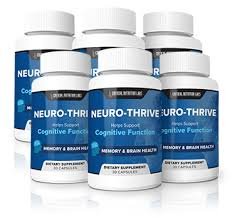
Is NeuroThrive a Scam :In an era where cognitive health has become a paramount concern for millions of people worldwide, the market for brain-boosting supplements has exploded. Among the numerous products claiming to enhance memory, focus, and mental clarity, NeuroThrive has emerged as one of the names circulating in online health communities. But with this visibility comes an important question that many potential consumers are asking: Is NeuroThrive a scam, or is it a legitimate supplement that can actually deliver on its promises?
This comprehensive article takes an in-depth look at NeuroThrive, examining the product from multiple angles to help you make an informed decision. We’ll explore what makes a supplement trustworthy, identify red flags to watch for, and provide you with the tools to evaluate not just NeuroThrive, but any cognitive health product you might consider purchasing.
Understanding NeuroThrive: What Is It?
NeuroThrive is marketed as a dietary supplement specifically formulated to support cognitive function, memory retention, and overall brain health. Like many products in the nootropic category, it typically contains a blend of natural ingredients that manufacturers claim can help combat age-related cognitive decline, improve mental clarity, enhance focus, and support long-term brain health.
The supplement industry, particularly the cognitive enhancement sector, has grown exponentially in recent years. This growth has been driven by an aging population concerned about maintaining mental sharpness, professionals seeking competitive advantages in demanding careers, and students looking for academic performance enhancement. Unfortunately, this lucrative market has also attracted less scrupulous operators looking to profit from people’s genuine health concerns.
The Cognitive Supplement Landscape
To understand whether NeuroThrive is a scam, it’s essential to first understand the broader context of the cognitive supplement industry. This market exists in a somewhat gray area of regulation. Unlike pharmaceutical drugs, dietary supplements don’t require FDA approval before reaching the market. The FDA does regulate supplements, but primarily after they’re already being sold, and mainly focuses on safety issues rather than efficacy claims.
This regulatory environment creates both opportunities and challenges. Legitimate supplement manufacturers can bring beneficial products to market more quickly than if they had to go through the lengthy pharmaceutical approval process. However, it also means that less reputable companies can make exaggerated claims without immediately facing consequences.
The cognitive supplement market includes everything from well-researched compounds with substantial clinical backing to completely unproven mixtures of herbs and extracts with nothing more than theoretical benefits. Products range from single-ingredient supplements like omega-3 fatty acids or phosphatidylserine, both of which have some research supporting their cognitive benefits, to complex proprietary blends containing dozens of ingredients.
Red Flags That Indicate a Potential Scam
When evaluating NeuroThrive or any cognitive supplement, certain warning signs should immediately raise your suspicion. Understanding these red flags can protect you from wasting money on ineffective products or, worse, consuming something that could potentially harm your health.
Unrealistic and Exaggerated Claims
One of the most significant red flags is when a product makes extraordinary claims without extraordinary evidence. Be extremely wary of supplements that claim to cure, treat, or prevent serious medical conditions like Alzheimer’s disease, dementia, or other neurodegenerative disorders. No dietary supplement has been proven to cure these conditions, and companies making such claims are likely either ignorant of the regulations or deliberately misleading consumers.
Similarly, watch out for promises of dramatic cognitive improvements, such as claims that you’ll develop a photographic memory, increase your IQ by significant points, or achieve limitless mental energy. The human brain is incredibly complex, and while certain nutrients and compounds can support its function, no supplement can fundamentally transform your cognitive capabilities overnight.
Lack of Transparency About Ingredients and Dosages
Legitimate supplement manufacturers are transparent about what’s in their products. If a company refuses to disclose specific ingredients, hides behind “proprietary blends” without listing individual dosages, or provides vague descriptions of their formulation, this should concern you.
While some products do use proprietary blends to protect their formulations from competitors, they should still provide enough information for you to assess whether the ingredients are present in effective amounts. If you can’t find out exactly what you’re putting into your body and in what quantities, you’re essentially buying blind.
High-Pressure Sales Tactics
Scam products often rely on creating artificial urgency to prevent potential customers from doing thorough research. Watch out for tactics like countdown timers claiming an offer will expire in minutes, statements about extremely limited inventory that seems to perpetually be “almost sold out,” or aggressive upselling techniques that push you toward buying multiple bottles immediately.
Legitimate companies are confident in their products and understand that informed customers make better long-term clients. They don’t need to rush you into a purchase before you’ve had time to research and consider your options.
Absence of Scientific Evidence
While not every ingredient in a supplement needs dozens of clinical trials, legitimate products typically contain components that have at least some scientific backing. Be skeptical of supplements that cite no research whatsoever, reference only animal or test-tube studies while claiming human benefits, or cherry-pick individual studies while ignoring larger bodies of conflicting evidence.
Additionally, be wary of companies that create their own “studies” without peer review or independent verification. Legitimate research is published in reputable scientific journals where it undergoes rigorous scrutiny from other experts in the field.
Suspicious Review Patterns
In the digital age, reviews are crucial for consumer decision-making, which is why fake reviews have become a significant problem. Be suspicious if a product has exclusively five-star reviews with no criticism whatsoever, reviews that all use similar language or phrasing, an unusual clustering of reviews all posted around the same time, or reviews that appear on the company’s website but nowhere else online.
Legitimate products will have a range of reviews reflecting different experiences. Some people will respond well to a supplement, others won’t notice any benefits, and some may even experience side effects. A completely uniform set of glowing reviews is almost certainly fabricated.
What Legitimate Brain Health Supplements Should Offer
Understanding what separates legitimate supplements from scams requires knowing what to look for in a trustworthy product.
Quality Ingredients with Research Support
Legitimate cognitive supplements typically contain ingredients that have been studied for their potential brain health benefits. These might include omega-3 fatty acids, particularly DHA, which is a major structural component of the brain; B vitamins, which play crucial roles in brain function and energy metabolism; phosphatidylserine, a phospholipid that supports cell membrane function; or specific herbal extracts like Bacopa monnieri or Ginkgo biloba that have traditional use and some modern research supporting cognitive benefits.
The key is that each ingredient should have some rational basis for inclusion, whether that’s traditional use backed by preliminary modern research, or more robust clinical evidence.
Transparent Manufacturing Practices
Reputable supplement manufacturers produce their products in facilities that are registered with the FDA and follow Good Manufacturing Practices. These standards ensure that products are consistently produced and controlled according to quality standards, reducing contamination risks and ensuring that what’s on the label matches what’s in the bottle.
Look for companies that are willing to share information about where and how their products are made, and that preferably use third-party testing to verify purity and potency.
Realistic Marketing and Educational Approach
Trustworthy supplement companies focus on education rather than hype. They provide detailed information about their ingredients, explain the science behind their formulations in accessible language, set realistic expectations about what their product can and cannot do, and are upfront about the fact that results may vary between individuals.
They also typically emphasize that supplements work best as part of a comprehensive approach to health that includes proper nutrition, exercise, sleep, and other lifestyle factors.
Clear Customer Service and Return Policies
Legitimate businesses stand behind their products with reasonable return policies and accessible customer service. If you can’t find clear contact information, the company doesn’t respond to inquiries, or their return policy is excessively restrictive or confusing, these are concerning signs.
The Science of Cognitive Enhancement: Setting Realistic Expectations
Even when considering legitimate brain health supplements, it’s crucial to maintain realistic expectations about what they can achieve. The human brain is the most complex organ in the body, and cognitive function depends on numerous interconnected factors.
What Supplements Can and Cannot Do
At best, cognitive supplements can provide nutritional support for optimal brain function, help fill dietary gaps in nutrients important for cognitive health, potentially support aspects of memory and mental clarity in some individuals, and contribute to long-term brain health when combined with other healthy lifestyle practices.
However, supplements cannot cure neurodegenerative diseases like Alzheimer’s or Parkinson’s, dramatically increase intelligence or fundamentally change cognitive capacity, compensate for poor sleep, inadequate nutrition, or chronic stress, or provide benefits comparable to prescription medications for diagnosed conditions.
The Placebo Effect and Cognitive Supplements
It’s also important to acknowledge the powerful role of the placebo effect in perceived cognitive enhancement. Studies have shown that people who believe they’re taking a cognitive enhancer often report improved mental performance even when taking an inactive substance. This doesn’t mean the benefits aren’t “real” to the person experiencing them, but it does complicate the evaluation of whether a supplement is truly effective or simply benefiting from expectation effects.
Evaluating NeuroThrive Specifically
While this article provides general guidance for evaluating any cognitive supplement, let’s consider how you might specifically investigate NeuroThrive:
Research the Formulation
Look up the specific ingredients in NeuroThrive and their dosages if available. Cross-reference these with scientific databases like PubMed to see what research exists. Are the ingredients present in amounts shown to be effective in studies, or are they included in token amounts unlikely to have any real effect?
Investigate the Company
Who makes NeuroThrive? How long have they been in business? What is their reputation in the supplement industry? Can you find independent reviews and discussions about the company from sources other than their own marketing materials?
Compare with Established Alternatives
How does NeuroThrive compare to other cognitive supplements that have been on the market longer? Is it offering something unique, or is it simply repackaging commonly available ingredients at a premium price?
Analyze the Marketing
How is NeuroThrive being promoted? Are the claims modest and evidence-based, or exaggerated and sensational? Is the marketing focused on education and transparency, or on creating urgency and fear?
The Broader Context: Brain Health Beyond Supplements
Regardless of whether you decide to try NeuroThrive or any other cognitive supplement, it’s essential to remember that brain health is fundamentally built on lifestyle factors that no pill can replace.
Evidence-Based Approaches to Cognitive Health
The most robust evidence for maintaining and improving cognitive function comes from regular physical exercise, which increases blood flow to the brain and promotes the growth of new brain cells; quality sleep, which is essential for memory consolidation and brain waste clearance; a Mediterranean-style diet rich in vegetables, fruits, whole grains, fish, and healthy fats; mental stimulation through learning new skills, solving puzzles, and engaging in complex cognitive tasks; social engagement and maintaining strong relationships; and stress management through techniques like meditation, mindfulness, or therapy.
These lifestyle factors have far more scientific support than any supplement currently on the market. While supplements might play a supportive role, they should never be viewed as a substitute for these fundamental health practices.
Making an Informed Decision About NeuroThrive
So, is NeuroThrive a scam? The honest answer is that it depends on multiple factors that require individual investigation. “Scam” can mean different things – from completely fraudulent products that take your money and never deliver anything, to products that are technically delivered but contain ineffective ingredients, to products that might provide modest benefits but are marketed with exaggerated claims.
Steps to Take Before Purchasing
If you’re considering NeuroThrive, take these steps first: consult with a healthcare provider, especially if you have any medical conditions or take medications; thoroughly research the specific formulation and ingredient dosages; look for independent, verified customer reviews across multiple platforms; investigate the company’s reputation and business practices; start with the smallest possible purchase rather than committing to bulk orders; and keep a journal to honestly track whether you notice any benefits.
Questions to Ask Yourself
Before buying any cognitive supplement, ask yourself: am I primarily looking for a quick fix rather than making necessary lifestyle changes? Are my expectations realistic about what a supplement can achieve? Have I consulted with a healthcare provider about my cognitive concerns? Am I prepared to give the product adequate time to work while objectively assessing results? Can I afford this purchase without financial strain?
The Bottom Line
The question “Is NeuroThrive a scam?” cannot be answered definitively without examining the specific product, company practices, ingredient quality, and individual results. The cognitive supplement industry contains a spectrum of products ranging from evidence-based formulations produced by reputable companies to outright fraudulent schemes designed solely to separate you from your money.
Your best protection is thorough research, healthy skepticism of extraordinary claims, consultation with healthcare professionals, and a commitment to the lifestyle factors that genuinely support brain health. If you’re experiencing concerning cognitive symptoms, your first step should always be consulting with a doctor who can properly evaluate your situation and recommend evidence-based interventions.
Remember that maintaining cognitive health is a long-term project that depends primarily on how you live your life daily. While certain supplements may provide modest support for some people, they’re tools at best, not solutions. Approach any cognitive supplement, including NeuroThrive, with careful consideration, realistic expectations, and a commitment to verifying claims before investing your money and trust.
Read also